Need Running Tips: Police Physical Test
I am a 26 years old male and I am a beginner runner. I am trying for a police oriented job. I want to practice my running because of a test (1.6 Km in 6.30 mins and 100 Mtr in 16sec. and 5 Km in 30 mins). I have only 2-3 months, is it possible? I started practice but I feel pain in both my knees. Currently, I run 1.6km in 8 minutes. So what type of running workouts should I do? Can you please give me some suggestions?
Shitesh
Answer by Dom:
Hi Shitesh, thanks for your question.
Look, three months isn't loads of time, but you're not starting from zero—8 minutes for 1.6k shows you've got some base fitness already. The knee pain is concerning though – this is aggressive but doable if you're consistent and smart about managing those knees.

As a beginner, you'll benefit from following proven beginner running tips that focus on gradual progression. Here's how to approach this:
- Address the knee pain first
- Build your aerobic base over 6-8 weeks
- Add speed work in the final 4-6 weeks
- Tackle the 100m sprint separately
1. Address the knee pain first
 You can't train effectively if you're hurting. Knee pain in the first few weeks almost always means you've done too much, too soon.
Stop running every day if that's what you're doing. Three-four times per week maximum for now. When you do run, go slower than you think you should – we're talking conversational pace, even if that means alternating running and walking. Make sure you've got decent running shoes too – your knees will thank you for proper cushioning on concrete or asphalt.
The walking isn't weakness – it's smart training. Run-walk protocols work for experienced runners preparing for marathons. For you right now, try running 2 minutes, walking 1 minute, repeat for 20-30 minutes total.
Cross-train on your non-running days. Cycling is brilliant for building cardiovascular fitness without the impact. Swimming, rowing machine, or even brisk walking all count. Your goal is movement without aggravating those knees.
Add basic strength work – bodyweight squats, lunges, calf raises. Strong legs support healthy knees. This simple approach fixes more knee issues than any fancy treatment.
Now Live - Built by Dom from best-running-tips.com
Get a Training Plan Built Around Your Test
AceTheTest turns your fitness, schedule and test date into a personalised day-by-day plan — free to start, in under 60 seconds.
Start Building My Plan →Code ACETHETEST20 gets you 20% off any upgrade.
2. Build your aerobic base over 6-8 weeks
 This is where you'll make your biggest gains. The 5k in 30 minutes needs solid endurance, and that same endurance makes the 1.6k much more achievable too.
Your target pace for the 5k is 6 minutes per kilometer. That's not fast – it's about building the engine to sustain effort. Right now, focus on covering distance comfortably rather than hitting specific paces. When I was training for my first 10k, I made the mistake of going too fast on easy days—learned the hard way that slow miles build the foundation.
A structured beginners running program will help you progress safely. Start with 3 runs per week: two easy 20-30 minute sessions and one longer 35-45 minute session. Use that run-walk approach mentioned earlier if needed. Every week, add 5-10% more total time.
By week 4, aim to run continuously for 25-30 minutes at an easy effort. By week 6, you should manage 35-40 minutes without stopping. This builds the aerobic base that makes everything else possible.
Track progress by heart rate rather than pace initially. If you can maintain a conversation while running, you're in the right zone. Too breathless to talk? Slow down or add walking breaks. Try to find softer surfaces like parks or tracks when possible—your knees will handle the training load better.
The magic happens in these easy runs, Shitesh. They strengthen your heart, improve oxygen delivery to muscles, and build the connective tissue that prevents injuries. Don't skip this phase – it's your foundation.
3. Add speed work in the final 4-6 weeks
 Once you can run 35-40 minutes continuously, it's time to get specific about your test paces. The 1.6k in 6:30 means holding 4:03 per kilometer – that's significantly faster than your 5k pace.
Start with tempo runs once per week. After a 10-minute easy warm-up, run 3-4 minutes at your goal 1.6k pace (4:03/km), then recover with 2-3 minutes easy running. Repeat 3-4 times, then cool down for 10 minutes.
This teaches your body to clear lactate efficiently and sustain harder efforts. This exact protocol helps police recruits who need to drop their 1.6k times quickly.
Add interval training in week 2 of this phase. Try 6 x 400m at slightly faster than goal 1.6k pace, with 90-second recovery jogs between. This builds the speed-endurance you need.
Your weekly structure: one easy run, one tempo session, one interval session. Keep the easy run longer (40-50 minutes) to maintain your aerobic base.
Practice your goal pace regularly. Once per week, time yourself over 1.6k after a proper warm-up. This builds confidence and teaches pacing. You want to negative split it – start conservatively and finish strong.
For comprehensive guidance on that 5k component, check out specific 5k running tips that cover pacing strategies and race-day preparation.
4. Tackle the 100m sprint separately
 The 100m in 16 seconds is pure speed work. That's about 22.5 km/h – not elite sprinter fast, but you'll need proper sprint training to get there.
Add strides to your easy runs twice per week. After your main run, do 4-6 x 80-100m accelerations on grass or track. Start slow, build to about 85% effort, then decelerate. Walk back for full recovery.
These teach proper sprinting mechanics and build speed without the injury risk of all-out sprints. Strides work for all runners – they're incredibly effective for developing turnover.
Once per week, do dedicated sprint work. After a thorough warm-up, practice 3-4 x 60-80m at 95% effort with full recovery between. Focus on driving with your arms and lifting your knees.
Work on your start too. The 100m test likely starts from standing, not blocks. Practice your first 10 steps – quick, powerful strides with a forward lean. Runners can gain half a second just by improving their start.
Don't neglect flexibility and mobility. Sprint work tightens everything up. Spend 10 minutes after each sprint session on dynamic stretching, focusing on hip flexors, hamstrings, and calves.
Your goal isn't to become a sprinter in three months – it's to run 16 seconds once when it matters. That's totally achievable with consistent work.
Hope this helps, Shitesh. The key is patience with the knee issues and consistency with the training. Three months is enough time if you're smart about it. Wishing you the best of luck with your police application.
Some Other Pages You May Like
About the author
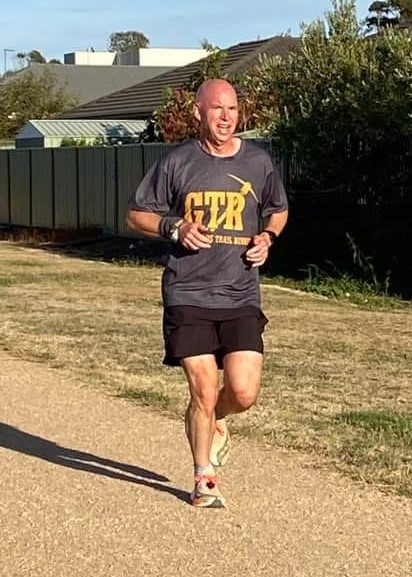
Dominique de Rooij (Dom)
Advanced Running Coach certified by Athletics Australia with 20 years of writing about running and over a decade coaching runners — from first-timers to marathoners. Dom's beginner programs have guided thousands of runners and been praised above plans from Jeff Galloway, Hal Higdon, and Runner's World. Now over 50, Dom still loves trail running, parkrun, and the coffee after.
Stop Guessing. Get a Plan
Built for Your Test.
AceTheTest builds a personalised, day-by-day 1.5 mile training plan around your fitness, schedule and test date — free to start.
"I did it - even had time to spare!" - James, Ohio
Free preview included. Ready to go further? Use code ACETHETEST20 for 20% off any upgrade.
What's New?
-
Personalized Running Coaching - BRT | Run Smarter, Race Better
 Get a personalized running program built around your current fitness, goals, and schedule - not a generic app template. Choose from BRT Silver, Gold, or Platinum coaching with Dom, accredited running…
 -
Sample 4-Day Marathon Training Week: Base to Taper
A full 4-day-a-week marathon training schedule, phase by phase - base, build, peak, and taper - with named workouts and weekly mileage. -
Marathon Taper for a 10-12 Week Training Cycle
How to taper correctly on a compressed 10-12 week marathon plan - the right taper length, why standard advice doesn't fit, and the week-by-week structure.