Heart Rate Training for Runners
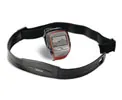
Most runners I coach have the opposite problem to the one they expect: not too little effort, but easy days run so fast they never properly recover. A number on your wrist can fix that within a week, or quietly mislead you for months, and the difference comes down to how you use it.
Why Use a Heart Rate Monitor in Your Training?
Your heart rate monitor does one simple job well: it keeps your effort honest. Most new athletes I coach are running their easy days 30-60 seconds per kilometre faster than they should — until a zone alert makes that visible.Any global positioning system (GPS) running watch or chest-strap monitor does this today — Garmin, Coros, Polar, Apple Watch, Whoop and similar all track heart rate in real time, so the specific device matters less than actually wearing one.
Set your zones (more on that below), and if you go over or under the limit, an alert tells you to ease off or pick it up.
Pace discipline is a skill. You can build it without a monitor — plenty of experienced runners do. But from years of working with beginners, I've seen how much faster a zone alert builds that skill compared with guesswork alone. Suddenly, runners slow down. And accept that easy pace really is that easy.
Heart Rate Training: Beginners vs. Experienced Runners

Experienced runners get something different from it: a way to gauge intensity across a varied week. Easy runs, tempo runs or cruise intervals, steady-state runs, repeats, and long slow runs each ask for a different effort — and a monitor helps you tell them apart.
It's also useful for keeping your ego in check. On a hot or tired day, when your heart rate is climbing fast for what should be an easy effort, that's your cue: take it down a notch or two. Recovery runs matter more the harder you're training, and heart rate is a useful pointer to whether you're actually recovering.
When Heart Rate Training Helps, and When It Doesn't
Here's my honest, coach's verdict on where a heart rate monitor earns its place — and where it doesn't:| Session Type | HR-Monitor Reliability | Why |
|---|---|---|
| Easy & long runs | High | Steady effort, plenty of time to settle into a zone |
| Steady-state runs | High | Same reason — a sustained, unchanging effort suits heart rate well |
| Tempo / threshold | Moderate — lag-prone | Heart rate takes a couple of minutes to climb into a new zone, so it lags behind a genuine pace change |
| Intervals / speedwork | Low | Efforts are too short for heart rate to catch up before they're over |
| Racing | Low | Race-day adrenaline shifts your numbers enough that pace and effort should lead, not heart rate |
That lag is physiological, not a fault with your monitor — heart rate takes a few minutes to climb into a new zone, which makes it poor real-time feedback for anything short and fast. And on race day, adrenaline shifts the numbers by enough that I don't fully trust mine. I use the pace function on my watch during races, not heart rate.
Before race day, I lean on the Race Conversion Calculator and the Running Pace Calculator to work out exactly what pace I should be racing at — see using a heart rate monitor on race day for the full racing breakdown.
Establishing Your Heart Rate Zones

To set your own zones, start here: find your max heart rate. From there, you've got two ways to calculate zones: the Zoladz Method calculator, which is simpler and works by subtracting set numbers of beats from your max heart rate, and the Karvonen Method calculator, which factors in your rest heart rate too, for a slightly more precise result.
In practice, the two land close together for most runners — use whichever one you've got the numbers for.
What Throws Your Heart Rate Off (External and Internal Factors)
Your heart rate isn't only a function of pace. External conditions — temperature, humidity, and wind — all play a part. On a warm day, your heart rate runs higher, and it climbs faster than it would in cooler conditions. The same goes for heart rate at altitude — thinner air pushes your numbers up too.Internal factors matter just as much. Poor sleep, stress, and an oncoming illness can all show up as an unusually high heart rate on what should be an easy run. If you've had a bad night, or you're feeling off, expect your numbers to run high — that's not a fitness problem.
So listen to your body as well as your monitor. The two together give you a far more honest read than either one alone.
Heart Rate Monitor Pitfalls: What It Can't Tell You

First, the number is an indicator, not a target. Train to a zone, not a single figure — 150-160bpm, not 155bpm exactly.
Second, your heart rate takes a few minutes to settle after a pace change. Start an interval session or a tempo run and don't obsess over the number in the first minute or two — it's all over the place, and checking it every ten seconds won't tell you anything useful. Give it a couple of minutes, then check. If it's too high or too low for your zone, adjust the pace then — not before.
Getting Started: What to Do With This
If you're new to this, start with establishing your zones — that's the section above, and it's the foundation everything else builds on. If you've been running with heart rate for a while and want the racing take, revisit the reliability table above; it's the short version of my honest verdict.If something about your numbers looks off — reading high on an easy run, refusing to settle into a low zone outdoors, or seemingly stuck too low — I've written dedicated pages for exactly that: struggling to stay in your zone?, heart rate too high on an easy run?, heart rate seems too low?, and why your easy-run heart rate won't cooperate
And if you're wondering how any of this changes on race day, I've covered that in full over on using a heart rate monitor on race day.
Frequently Asked Questions
What heart rate should I run at?
Depends on the session: roughly 60-75% of max heart rate for easy and long runs, 80-88% for tempo work, and higher — but less meaningful — for intervals. Use your Karvonen or Zoladz result for your own exact numbers. See the reliability table above for the full breakdown by session type.
Should I train by heart rate or by pace?
Neither alone — let pace or effort lead structured sessions, and use heart rate as a sanity check, especially on hot or fatigued days.
Why is my heart rate high even when I'm running slowly?
Usually heat, poor sleep, incoming illness, or under-recovery — not a fitness problem. See the external and internal factors section above for the full breakdown, and the dedicated troubleshooting page for persistent cases.
Is heart rate training accurate in the heat or at altitude?
No — both raise your heart rate independent of pace, so treat your normal zones as a rough guide only in those conditions, not a hard target.
What's the difference between the Karvonen and Zoladz methods?
Zoladz is a simpler method that subtracts set numbers of beats from your max heart rate. Karvonen factors in your rest heart rate for a slightly more personalised range. They land close together for most runners.
Your heart rate monitor is a genuinely useful tool — but it's an indicator, not gospel. Use it where it's reliable, trust pace and effort where it isn't, and you'll get the best of both.
More Pages on This Topic
Some Other Pages You May Like
About the author

Dominique de Rooij (Dom)
Advanced Running Coach certified by Athletics Australia with 20 years of writing about running and over a decade coaching runners, from first races to marathons. Dom created PlanMyRace, a training plan generator for any race from 1500m to the marathon. Now over 50, Dom still loves trail running, parkrun, and the coffee after.
Stop Guessing.
Train for Your Best Race.
PlanMyRace builds a personalised, week-by-week training plan for any race from 1500m to the marathon, around your race date, your current fitness and the week you actually have.
Get My Free Plan →No credit card needed. Your full first week is free.
What's New?
-
Cut 90 Seconds Off Your 1.5 Mile Run for the Army Test
Cutting 90 seconds off a 1.5 mile run in 3-4 weeks for the Army test: Dom breaks down realistic pacing to reduce 10:32 toward sub-9:00 for Paras selection. -
Improve Your 1.5 Mile Running Time to 10:30: Shin Splints
From 12:59 to 10:30 for 1.5 miles: Coach Dom's shin-splint fix and training plan to improve your running time in 2-3 months. -
Training for a 1.5 Mile Run - How to Qualify For Your Test
Coach Dom's 3-step plan for 1.5 mile run training: build aerobic base, add strides, then tempo and pace work to hit your test time.