Older Masters Training Program: to Improve My 5k Time
I am 69 years old and have been running for 57 years. I cannot seem to find a 5K training program for experienced 69-year-old runners that will help me improve my 5K time. I can run the distance in 34 minutes. Can you help me or lead me in the right direction? Sincerely, Ed
Answer by Dom:
Hi Ed, thanks for reaching out about your 5k training.
Fifty-seven years of running experience — that's incredible. You've got decades of base fitness that younger runners would kill for, and at 69, you're still pushing to get faster. That tells me everything about your mindset.
Your 34-minute 5k gives you a solid foundation to work from. With the right approach, you can aim to chip away at that time while staying healthy and enjoying your running.
Here's how to approach this:
- Optimal weekly training structure for masters runners
- VO2 max workouts adapted for your age group
- The value of tempo running for your 5k goal
- Strength and mobility work to maintain running economy
- Cross-training for cardiovascular fitness without impact
- Recovery protocols that actually work at 69
1. Optimal weekly training structure for masters runners
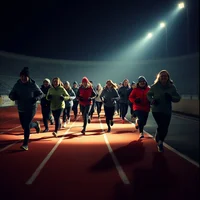
With your experience, you already know how your body responds - but at 69, that recovery window becomes sacred. Your body needs 48 hours minimum between quality sessions — sometimes 72 hours if the workout was particularly demanding.
Here's what your week should look like: one longer run (building aerobic capacity), one tempo session and then a general easy run or a second tempo session. We'll talk about VO2 max workouts in a minute - I want to be careful with those at your age. If you add a fourth run, make it easy — 20-30 minutes at a conversational pace.
The beauty of your experience is that you already know how different paces feel. You don't need to overthink the training zones — trust your decades of running intuition while following a structured approach.
Free for subscribers: Get my guide
“Why You’re Training Too Fast”
— plus weekly coaching advice every Tuesday.
Join free →
Join free →
2. VO2 max workouts adapted for your age group

Your VO2 max sessions need to be shorter and less frequent than what you'd see in programs designed for 30-year-olds, but they can still be helpful in improving your 5k time.
I would recommend starting with fartlek sessions. Just add pick-ups to a run and increase that speed slightly. Once you get familiar with that, start with something like 10 x 30 seconds harder with 1 minute jog / rest in between.
For people decades younger I would recommend working towards a 1:1 work-to-rest ratio, i.e. the intervals are as long as the rest periods. When you get older, there is value in building in longer rest periods as the intervals are very intense. Do these interval sesions once every 14-21 days, not weekly.
As you adapt, you can progress to 45 seconds, 1 minute intervals etc. The key is feeling strong through each repetition — if you're struggling to maintain pace on the last interval, the session was too aggressive.
As I said before, many masters runners get injured chasing overly aggressive interval running sessions. Your recovery between these workouts is sacred. You might feel fine the day after, but the real adaptation happens over the following 48-72 hours.
3. The value of tempo running for your 5k goal

Even if you were to only run easy, long and do tempos you can make a heck of a lot of progress. Now that I am 50, this is how I am training. I do very little VO2 max work, other than racing a 5k now and again.
The best way to do tempo runs is to break them up in intervals. 10 x 3 min, 5 x 6 min or 3 x 10 min are staples in my program. When you are new to tempos you may want to start with some less total volume, e.g. start with 6 x 3 minutes, or 4 x 5 minutes. Then build up from there.
The magic happens when you do these types of workouts very regularly and slowly see your pace improve at the same effort level.
4. Strength and mobility work to maintain running economy

Squats, deadlifts, single-leg exercises, and core work should form the foundation. Start with bodyweight versions if you're new to strength training, or work with a trainer initially to learn proper form.
Mobility work is non-negotiable at your age. Your muscles and joints need more time to reach optimal function than they did in your younger running years.
Spend 10-15 minutes before each run doing leg swings, hip circles, walking lunges, and gentle calf raises. After running, focus on static stretches for your calves, hamstrings, and hip flexors. This investment pays massive dividends in how you feel during and after your workouts. Also check out the strength training for runners guide for additional info.
5. Cross-training for cardiovascular fitness without impact
Since you're running less frequently than younger athletes, cross-training becomes essential for maintaining cardiovascular fitness without the pounding.The elliptical machine is ideal here. It mimics the running motion while eliminating impact stress on your joints. Aim for 2-3 sessions per week, 20-40 minutes each, at a moderate effort.
Cycling works well too, though some masters runners find it aggravates knee issues. If you can tolerate it, bike workouts offer excellent cardiovascular benefits with minimal running-specific stress.
Swimming is phenomenal if you have access to a pool. It's completely impact-free while working your entire cardiovascular system. Even 20-30 minutes of steady swimming once or twice per week will boost your aerobic capacity significantly.
6. Recovery protocols that actually work at 69
Recovery isn't just about rest days — it's an active process that you need to manage deliberately. Sleep becomes even more critical as you age, so prioritize 7-8 hours per night.Post-workout nutrition matters more now than it did in your younger running days. Get some protein in during the hours after finishing hard sessions — even something simple as chocolate milk works perfectly. Don't stress about hitting an exact window; your total daily protein intake matters far more than how soon after the run you eat.
Heat and cold therapy can accelerate recovery. A warm bath after easy runs helps with muscle relaxation, while ice baths or cold showers after intense workouts reduce inflammation. Even 10 minutes makes a difference.
Listen to your body religiously, Ed. If you wake up feeling unusually tired or notice persistent muscle soreness, take an extra rest day. Masters runners rarely get slower from too much recovery, but many get injured from too little.
Your 57 years of experience give you a huge advantage here — you know your body better than any training plan could predict. Use that wisdom alongside these structured guidelines, and you should see that 5k time drop. For more strategies on how to improve 5k times, consider exploring additional training approaches that complement this program.
If you find this particular program challenging at first, you might also benefit from the guide on running a 5k at 70 years old, which covers some foundational approaches that can help you build up to more intensive training.
For a broader perspective on all aspects of 5k preparation, check out the comprehensive 5k running tips resource.
Best of luck with your training, Ed. This should help, and your progress will be exciting to follow.
Some Other Pages You May Like
5k Training Plan Prerequisites
5k Training Plan Derailed
From Beginner to Intermediate 5k Training
5k Training Plan Masters
5k racing
5k Pace Chart
Sub20 5k Training
Running Training
Home > Running Races > 5k > 5k Training Plan > Older Masters Training Program to Improve My 5k Time

About the author

Dominique de Rooij (Dom)
Advanced Running Coach certified by Athletics Australia with 20 years of writing about running and over a decade coaching runners — from first-timers to marathoners. Dom's beginner programs have guided thousands of runners and been praised above plans from Jeff Galloway, Hal Higdon, and Runner's World. Now over 50, Dom still loves trail running, parkrun, and the coffee after.
Free weekly coaching • Join 3,500+ runners
Train Smarter, Not Just Harder
Get your free guide when you join the BRT Coaching Letter
No spam, ever. Unsubscribe in one click, any time.
What's New?
-
Personalized Running Coaching - BRT | Run Smarter, Race Better
 Get a personalized running program built around your current fitness, goals, and schedule - not a generic app template. Choose from BRT Silver, Gold, or Platinum coaching with Dom, accredited running…
 -
Sample 4-Day Marathon Training Week: Base to Taper
A full 4-day-a-week marathon training schedule, phase by phase - base, build, peak, and taper - with named workouts and weekly mileage. -
Marathon Taper for a 10-12 Week Training Cycle
How to taper correctly on a compressed 10-12 week marathon plan - the right taper length, why standard advice doesn't fit, and the week-by-week structure.
