Beginner Running: Your Complete Guide to Starting and Sticking With It
Beginner running doesn't need one long article — it needs a map. This hub is that map: everything you need to go from zero to your first month of consistent running, organised by what you're dealing with right now. Skim the section titles below and click the one that matches your situation. Never run before? Start with How to Start Running.
I've built the order below the way I'd triage a new runner in person, not the way a generic content calendar would sort it. Every pillar on this page reflects a genuine coaching decision about what beginners need to know, and when.
How to Start Running
If you haven't run a single step yet, start here. How to Start Running covers the logistics of your very first run — what to wear, how to pace it, and whether it's safe for you specifically, including questions tied to your current weight, age, or fitness level. This is the highest-demand topic in the whole cluster: more beginners search some version of how to start running when out of shape, or how to start running unfit, than anything else on this page. If you're not sure where to click, click this one first.Couch to 5K Plan
Heard of "Couch to 5K" by name and want the structured, dated version rather than general advice? Couch to 5K is the specific 9-week programme most people mean when they say that phrase — a genuine gap on this site until now, built fresh rather than folded in from an older page. It isn't the same as Pillar 3 below: Couch to 5K is the named 9-week structure, and the run/walk method is the underlying mechanic that powers it.Run/Walk Program Progression
Already on a BRT run/walk programme, or about to start one, and need week-to-week guidance? Beginners Running Program is the strongest anchor in this cluster, with more supporting content behind it than any other pillar here. It's also home to a question I get asked constantly: how many rest days does a beginner actually need? Read the rest days FAQ for beginner running programs for the direct answer.First Month Running Schedule
Finished onboarding and want a proper day-by-day plan for your first four weeks? First Month Running Program lays it out as a calendar, not just intervals. That's the difference between this pillar and Pillar 3 above — Pillar 3 covers how to run and walk within a session, this one covers which day you do it on.Breathing Techniques for New Runners
Struggling with breathlessness, a side stitch, or just unsure how you're supposed to be breathing while you run? Breathing Techniques for New Runners covers drills, pace-based breathing, and cold-weather breathing. I'll be honest — this pillar has been thin on the existing site until now, and what you'll find here is new depth being added, not a page that was already comprehensive.Running Form Basics for Beginners
Wondering about posture, head position, stride length, or where your foot should land? Running Form Basics for Beginners is being built out from a similarly thin starting point — the same honest caveat as the breathing pillar above applies here too: this is being properly expanded now, not simply relabelled.Starting Running with Obesity
Your main concern isn't fitness — it's whether running is even safe for your joints at your current weight. That's a real, common question, and it deserves a straight answer, not a euphemism. Should you run if you're overweight? Does carrying extra weight make you run slower? Starting Running with Obesity answers both directly. I've written it with the same judgement I'd use coaching someone through this in person, not a generic disclaimer bolted onto a running article.Common Beginner Running Injuries
Got a current ache or pain, or want to prevent one before it starts? Common Beginner Running Injuries is built from scratch — there wasn't a real anchor page for this before. Beginners get hurt in fairly predictable ways, and that's exactly why it earns its own pillar.Building Confidence as a New Runner
Sometimes the thing stopping you isn't your body — it's your head. Embarrassment, flagging motivation, the fear that everyone else looks like a "real" runner and you don't: these block more beginners than any physical limitation does. In my coaching experience, psychological blockers are the single biggest reason new runners quit — more than injury, more than lack of time — which is exactly why Building Confidence as a New Runner gets its own pillar here rather than a paragraph buried inside Pillar 1. It's also the most under-built page in this whole cluster, so this is genuinely new ground, not a reshuffle.Beginner Running Tips
Not after a specific programme or one problem solved — you want a general best-practices roundup instead? Beginner Running Tips is the flagship page for exactly that, folding in four near-duplicate tip pages that used to say roughly the same thing in four different places. If you searched running tips for beginners, or beginner running program, to get here, this is your page. While you're there, it's worth working through the jogging myths beginners should ignore too — half of what passes for common knowledge is folklore, not fact.Beginner Running Guide
Looking for one comprehensive guide, start to finish, rather than a scannable list of tips? Beginner Running Guide is that — structured and ordered, built to be read start to finish. That's the whole difference between this pillar and the one above it: a guide takes you through in sequence, tips let you jump around.Running for Beginners
And if you searched the broadest possible phrase — running for beginners, or a running program for beginners — you're in the right place too. Running for Beginners is the front door into the same territory as the two pillars above it, and it earns its own section because it's a ranking target in its own right, not just a duplicate entry point.Pick the section that matches where you actually are today, not where you'd like to be in six months. That's the sensible way to use this hub — and it's the one that gets you running, consistently, the fastest.
More Beginner Running Tips
About the author
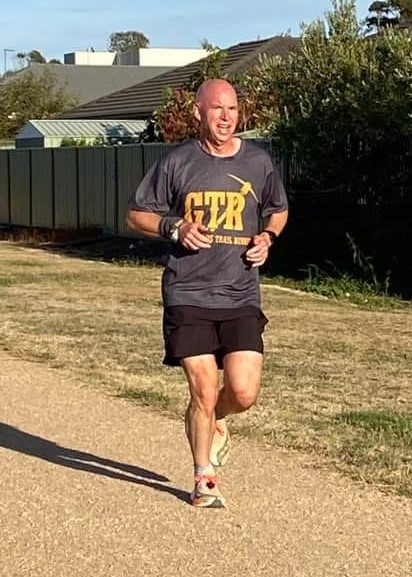
Dominique de Rooij (Dom)
Advanced Running Coach certified by Athletics Australia with 20 years of writing about running and over a decade coaching runners — from first-timers to marathoners. Dom's beginner programs have guided thousands of runners and been praised above plans from Jeff Galloway, Hal Higdon, and Runner's World. Now over 50, Dom still loves trail running, parkrun, and the coffee after.
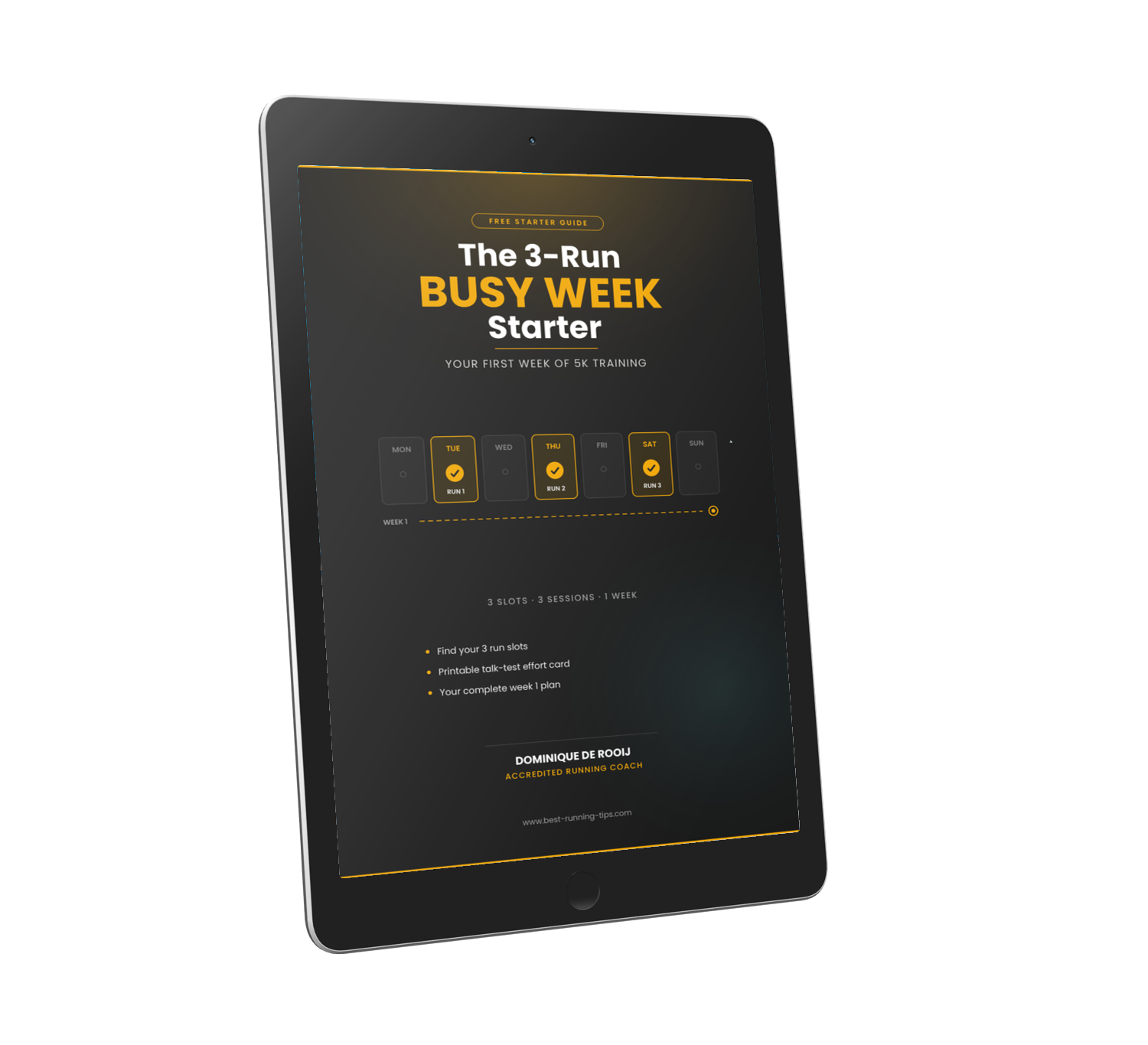
Free beginner guide • From Coach Dom
Start Running This Week, Even If Your Week Is Already Full
Most beginners don't quit for lack of motivation. They quit because their plan doesn't fit their life. The 3-Run Busy Week Starter plans your first week around the week you actually have.
- Find 3 run slots you can actually keep
- The talk test: the simple way to stop running too fast
- Your complete week 1 plan: 3 run/walk sessions, about 20 minutes each
You'll get the guide plus a short email every few days to help you through week 1. Unsubscribe any time. Privacy policy.
What's New?
-
Personalized Running Coaching - BRT | Run Smarter, Race Better
 Get a personalized running program built around your current fitness, goals, and schedule - not a generic app template. Choose from BRT Silver, Gold, or Platinum coaching with Dom, accredited running…
 -
Sample 4-Day Marathon Training Week: Base to Taper
A full 4-day-a-week marathon training schedule, phase by phase - base, build, peak, and taper - with named workouts and weekly mileage. -
Marathon Taper for a 10-12 Week Training Cycle
How to taper correctly on a compressed 10-12 week marathon plan - the right taper length, why standard advice doesn't fit, and the week-by-week structure.