Pain in Heel When Running: Plantar Fasciitis & Other Causes
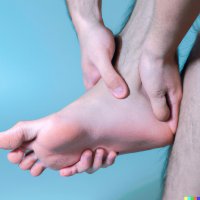
Let's face it, "just rest it" isn't much of an answer when you don't actually know what you're resting. That's the gap this page fills: what real self-treatment looks like and, importantly, when heel pain stops being a self-treatment problem and needs a doctor.
Plantar Fasciitis: Symptoms, Self-Treatment and Prevention

Self-treatment is straightforward, if not always quick: rest, ice, and stretching. Reduce or pause the activities that aggravate it, and apply ice to the area for 15-20 minutes, three to four times a day, to bring inflammation down.
Stretching matters just as much. Work your plantar fascia and your Achilles tendon, and add some lower-leg strengthening on top — a stronger lower leg stabilises your ankle and heel and takes pressure off the fascia itself.
Prevention comes down to three things: build your mileage up gradually rather than jumping in too hard too soon, wear shoes with proper arch support and a cushioned sole, and keep stretching your Achilles tendon and the soles of your feet regularly so the fascia stays flexible.
I've had my own run-in with this one. It was back when I was an exchange student at Colorado State University in Fort Collins, Colorado — plenty of free time, and I filled a lot of it running laps on the student recreation centre's elevated indoor track. I didn't rate running shoes as highly back then as I do now, partly down to a student budget, and sure enough, heavily worn-out shoes landed me with plantar fasciitis. I kept going for a while longer than I should have, but once I did stop, rest, ice and stretching were all it took — and because I stopped early, it never became a chronic problem.
Heel Pain or Something Else? A Differential Guide
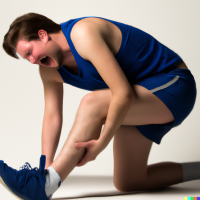
Achilles tendinitis shows up at the back of the ankle or just above the heel, not underneath it, and it's typically worse after running — usually from mileage ramped up too aggressively. My own Achilles flare-ups have pretty much always come down to exactly that. The fix that's worked for me every time is backing off and taking a few more rest days early, rather than letting it build into something bigger.
Heel spurs are, clinically, a bony calcium deposit rather than inflamed tissue — but in practice they present and respond almost identically to plantar fasciitis, so much so that most runners searching for one are really describing the other. I'll be straightforward about it: the distinction matters a lot less in practice than it sounds like it should.
Stress fractures feel different again — focal, pinpoint pain on the heel bone itself, rather than a diffuse ache, and it gets worse the longer you keep weight-bearing on it. This one needs medical imaging to confirm, not self-treatment.
Bursitis is inflammation of the small cushioning sacs near your heel. It presents similarly to the above, and the good news is it responds to the same rest-and-ice protocol.
One more look-alike worth knowing about applies specifically to younger runners — see the pediatric section below if you're dealing with heel pain in a child or teenager rather than an adult.
For the full version of this comparison, see a full differential-diagnosis guide.
Do Night Splints and Taping Actually Work?

I'll be direct about the evidence rather than just listing options: some of these have more research behind them than others, and a night splint is generally the better-supported choice of the two for ongoing morning pain. Treat the rest as reasonable things to try, not guaranteed fixes.
For the full evidence review, see the evidence on night splints and taping.
Shoes and Mileage: The 400-600 Mile Rule
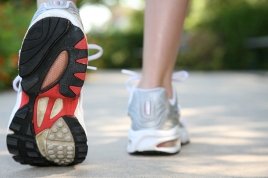
While you're dealing with a flare-up, stick to shoes with real arch support and steer clear of flat, unsupportive footwear — sandals and flip-flops included — until things settle.
If your arch type or pronation pattern is part of the picture, it's worth checking directly rather than guessing — see how to assess your own arch type and pronation.
Can I Keep Running With Plantar Fasciitis?
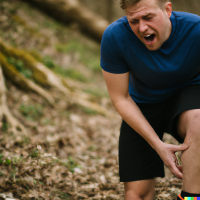
For the full decision framework, see a pain-scale guide for when to keep running. And for what recovery actually looks like week to week, rather than a vague "a few weeks," see a real week-by-week return timeline.
Pediatric Heel Pain: Sever's Disease in Young Runners
If the runner with heel pain is under 20 — most commonly around age 11 — the cause is often not plantar fasciitis at all, but Sever's disease (calcaneal apophysitis). It's a different condition for a different age group, not a milder version of the adult problem: a young runner's heel bone still has an unfused growth plate, and that growth plate, not the plantar fascia, is what's under strain.If a child or teenager's heel pain doesn't settle with rest within a couple of weeks, that's the point to get it checked by a doctor or physio rather than keep managing it yourself — see the red flags below.
When to See a Doctor (Red Flags)
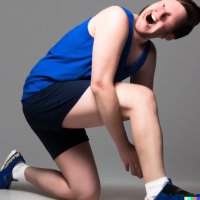
- Excessive bruising or swelling
- Pain severe enough to prevent weight-bearing
- Signs of infection or a fever
- Pain that persists or worsens despite rest
- Focal, pinpoint pain directly on the heel bone — a possible stress fracture
- Any child or teen heel pain that doesn't respond to rest within a couple of weeks — possible Sever's disease needing evaluation
For foot and ankle strengthening work that helps prevent heel pain in the first place, see foot and ankle strengthening exercises, and for the broader picture across every running injury, see red-flag symptoms across running injuries.
Whatever's behind your heel pain, the principle is the same: work out the actual cause, treat it properly, and don't rush back before it's ready. Most cases settle with a sensible few weeks of the right approach — but if yours fits one of the red flags above, get it looked at properly rather than guessing indefinitely.
More Pages on This Topic
Plantar Fasciitis or Something Else? Heel Pain Guide
Plantar Fasciitis Pain Scale
Real Return-to-Running Timeline
How to Assess Your Own Arch Type and Pronation
Do Night Splints & Taping Work for Plantar Fasciitis?
Some Other Pages You May Like
Stress Fracture Healing Timelines by Bone Site
Repeat Calf Injury
Achilles Tendinitis
10k Running Tips
Home > Running Injuries > Pain in Heel When Running

About the author

Dominique de Rooij (Dom)
Advanced Running Coach certified by Athletics Australia with 20 years of writing about running and over a decade coaching runners — from first-timers to marathoners. Dom's beginner programs have guided thousands of runners and been praised above plans from Jeff Galloway, Hal Higdon, and Runner's World. Now over 50, Dom still loves trail running, parkrun, and the coffee after.
Free weekly coaching • Join 3,500+ runners
Train Smarter, Not Just Harder
Get your free guide when you join the BRT Coaching Letter
No spam, ever. Unsubscribe in one click, any time.
What's New?
-
Personalized Running Coaching - BRT | Run Smarter, Race Better
 Get a personalized running program built around your current fitness, goals, and schedule - not a generic app template. Choose from BRT Silver, Gold, or Platinum coaching with Dom, accredited running…
 -
Sample 4-Day Marathon Training Week: Base to Taper
A full 4-day-a-week marathon training schedule, phase by phase - base, build, peak, and taper - with named workouts and weekly mileage. -
Marathon Taper for a 10-12 Week Training Cycle
How to taper correctly on a compressed 10-12 week marathon plan - the right taper length, why standard advice doesn't fit, and the week-by-week structure.