How to Treat a Black Toenail from Running: What to Do, What to Avoid, and How Long It Takes
A black toenail from running is a bruise of pooled blood under the nail, and most cases just need to be left alone: elevate your foot, apply a cold compress and take an over-the-counter pain reliever as directed on the label. See a doctor if the discolouration covers more than a quarter of the nail or you notice signs of infection. Below: a quick answer for right now, why the nail turns black, why you shouldn't drain it yourself, the healing timeline, how to prevent it, the red flags that need a doctor, and answers to common questions.That sight is startling, especially the first time it happens after a run. I've coached runners through this more times than I can count, and in the vast majority of cases it looks a lot worse than it actually is.
Quick Answer: What to Do About a Black Toenail Right Now
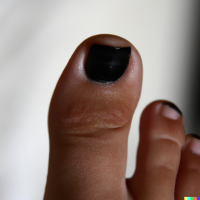
Why Your Toenail Turned Black: The Hematoma Explained
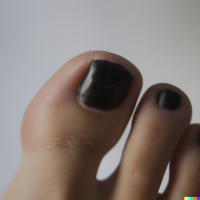
The trigger is almost always one of a few things: a new pair of shoes you haven't broken in yet, a toe box that's too tight, or running without socks. Overdue, worn-out shoes are a big one too — they've lost their structure, so your foot slides around more than it should.
I had this happen to me once, running in a pair of shoes that were well overdue for retirement. The extra movement inside a worn-out shoe let my toe slide and strike the front with every stride. Lesson learned: replace your shoes before they replace themselves as the problem.
Should You Drain It Yourself? (No — Here's Why, and What I Did Anyway)
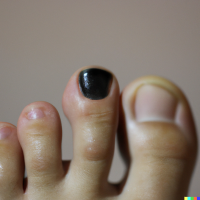
Done at home, with whatever's lying around your kitchen, it's an infection risk you don't need to take.
Here's my one confession, and it's a "do as I say, not as I do" moment: years ago I drained a black toenail myself with a heated needle. It worked, but I got lucky — infection is a real risk, and I wouldn't do it again. You didn't hear that from me, and it's not advice, it's a warning. See a professional, or better yet, don't drain it at all.
In most cases you won't need to drain it at all. About 80% of black toenails from running settle on their own without any intervention, so leaving it alone is usually the sensible move.
Healing Timeline: What to Expect Over the Next Few Weeks
It takes a couple of weeks for the discomfort to ease off. The affected nail may eventually fall off entirely, and a new, healthy nail will grow in its place underneath — this is a normal part of the process, not a setback.Regrowth takes months, not weeks, and the area stays tender the whole time it's happening. Keep that in mind when you're planning your training load — a niggle in the toe box can flare up again if you push your mileage back up too quickly in shoes that don't give it room.
Preventing Black Toenails: Shoes, Socks, and Nail Care
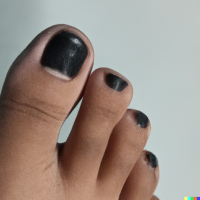
Beware breaking in new shoes on a long run — bring them in gradually instead, over a week or two of shorter runs, so your foot learns the new shape before you ask it to cover real distance. The mistake I see most often in the runners I coach is exactly this: a new-shoe debut on a long run, or shoes that should have been retired months ago.
Keep your toenails trimmed short and straight across — this alone stops them extending into the front of the shoe on impact. If you get black toenails often despite doing all of the above, toe protectors or gel caps give an extra layer of cushioning worth trying.
It's also worth reading up on chafing and other friction-related running problems, since the root cause — repeated friction — is exactly the same.
Red Flags: When a Black Toenail Needs a Doctor
Most black toenails are a routine, if unpleasant, part of running. But go and see a doctor or podiatrist if you notice any of the following: discolouration covering more than a quarter of the nail; severe pain or significant swelling; or signs of infection, such as redness, warmth, or discharge.Any one of those on its own is reason enough to get it looked at — you don't need all three before it's worth a visit.
Frequently Asked Questions
Can I keep running with a black toenail?
Usually, yes, if it's not acutely painful. Loosen your laces or size up your socks to take pressure off the nail, and expect some tenderness through the regrowth period.
How long does a black toenail from running take to heal?
A couple of weeks for the discomfort to ease. Full regrowth after the nail falls off takes months, and the area stays tender throughout.
Will my black toenail fall off?
Often, yes. The damaged nail is gradually pushed out by the new nail growing underneath — a normal, not alarming, part of the process.
What shoes cause black toenails?
Shoes that are too tight or too loose in the toe box, or shoes overdue for replacement, are the most common culprits — both let your toe slide and repeatedly strike the front of the shoe.
A black toenail looks alarming, but it's rarely serious, and in most cases the sensible move is to leave it alone and let it heal on its own timeline. Sort your shoes and socks out properly, and you'll cut down how often this happens to you at all. :)
Some Other Pages You May Like
About the author

Dominique de Rooij (Dom)
Advanced Running Coach certified by Athletics Australia with 20 years of writing about running and over a decade coaching runners — from first-timers to marathoners. Dom's beginner programs have guided thousands of runners and been praised above plans from Jeff Galloway, Hal Higdon, and Runner's World. Now over 50, Dom still loves trail running, parkrun, and the coffee after.
Free weekly coaching • Join 3,500+ runners
Train Smarter, Not Just Harder
Get your free guide when you join the BRT Coaching Letter

No spam, ever. Unsubscribe in one click, any time.
What's New?
-
Personalized Running Coaching - BRT | Run Smarter, Race Better
 Get a personalized running program built around your current fitness, goals, and schedule - not a generic app template. Choose from BRT Silver, Gold, or Platinum coaching with Dom, accredited running…
 -
Sample 4-Day Marathon Training Week: Base to Taper
A full 4-day-a-week marathon training schedule, phase by phase - base, build, peak, and taper - with named workouts and weekly mileage. -
Marathon Taper for a 10-12 Week Training Cycle
How to taper correctly on a compressed 10-12 week marathon plan - the right taper length, why standard advice doesn't fit, and the week-by-week structure.
