Foot Pain When Running: Hammer Toes, Ball-of-Foot Pain, and Top-of-Foot Pain Explained
Press on the painful spot: a toe that curls and will not straighten is a hammer toe, pain under your second, third or fourth toe is pain under the ball of the foot (metatarsalgia), and pain along the top of the foot, often under the laces, is top-of-foot pain. This page covers those three, not heel pain, plantar fasciitis or black toenails, which have their own pages. Below: a quick answer to tell them apart, a section on each problem, the red flags that need a podiatrist (a foot specialist), and common questions.Your feet strike the ground close to 800 times every mile, each time with two to three times your bodyweight, so something is going to complain eventually. I coach runners through foot niggles most weeks, and the ones written off as just tight laces are the ones that now and then turn out to be something more.
Quick Answer: What Kind of Foot Pain Is This?

In my coaching groups, pain under the ball of the foot is the one I see most often, with hammer toes a close second. Top-of-foot pain gets less attention than it deserves — runners tend to write it off as "just tight laces" when, once in a while, it's something more.
Hammer Toes: The Toe That Won't Straighten
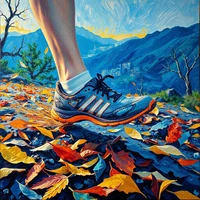
You'll usually notice a corn forming on top of the affected toe first, and that corn is what actually makes running uncomfortable, not the bent toe itself. The cause is almost always your shoes: a toe-box that's too narrow or too short forces your toes into a curled position for hours at a time. Keep that up for long enough in shoes that don't fit, and the tendons along the underside of the toe shorten to match — which is why the toe stops straightening even when you're barefoot.
The fix is straightforward, if not always convenient. Refit into shoes with a genuinely roomier toe box — for your everyday shoes and not just your running shoes. A specialist running shoe store can check this properly rather than you guessing at it. Pain that persists despite refitting is worth a podiatrist's opinion rather than pushing through it.
Pain Under the Three Little Toes (Metatarsalgia)
Relief is fairly quick to find. Press your toes backwards until you locate the exact painful spot, then tape a metatarsal pad directly behind it — not under it — so the pad takes the pounding instead of the tender area itself.
Padding treats the symptom, though, not the cause. This kind of pain is usually a sign of an imbalance in your foot that your current shoes aren't correcting, or running shoes that have simply done too many miles and lost their cushioning. If a specialist shoe store can't sort you out easily, a podiatrist is the sensible next step.
Top of Foot Pain: Stress Fracture, Bone Spur, or Just Your Laces?
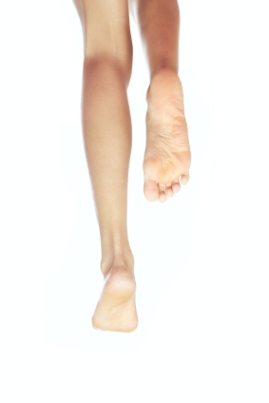
Here's the fastest way to tell them apart: press directly on the painful spot. Sharp, focal pain that makes you wince points toward bone — possibly a confirmed metatarsal stress fracture, along one of the long thin bones running to your toes. Pressing along the bone shaft from either side and getting a stabbing pain is a strong sign of exactly that, and it's not something you fix yourself. Swelling and redness alongside that pain make a stress fracture more likely still.
Diffuse, milder pressure pain tells a different story. It could be a bone spur — a small bony lump where sustained pressure has made the bone grow slightly out of shape — in which case easing the pressure with looser laces or some padding over the spot is the first step. Or it could be nothing more than laces done up too tight, cutting off blood flow and adding pressure across the top of your foot.
| Likely cause | Pain quality | Press-test result | First step |
|---|---|---|---|
| Metatarsal stress fracture | Sharp, worsens with running | Focal, stabbing pain on direct pressure | Stop running — see an orthopedist or podiatrist |
| Bone spur | Mild to moderate, localised | Diffuse, mild pressure pain; visible or palpable lump | Ease pressure — loosen laces or pad over the spot |
| Tight laces or shoe pressure | Mild, comes and goes | Diffuse pain, no lump | Loosen laces or change your lacing pattern for a run or two |
One thing worth being direct about: the press test is a coaching-level triage tool, not a diagnosis. It tells you which direction to head in, not what's definitely wrong. If in doubt, get it looked at properly rather than guessing your way through weeks of running on a possible fracture.
Red Flags: When Foot Pain Needs a Podiatrist, Not a Home Fix
See a podiatrist or orthopedist rather than trying to self-manage if any of the following apply: pain that's sharp, focal and point-tender when you press on it — the pattern most consistent with a stress fracture; visible swelling, redness, or a lump you can feel; pain that doesn't ease with rest, or gets worse from one run to the next; or pain that's there at rest or when you're just walking, not only while running.This is exactly why I push runners toward a proper diagnosis rather than a generic "see someone" line: your doctor will tailor their advice to which bone is fractured, where in the bone the fracture sits, and how serious it is. That's specific medical decision-making, not something a self-test can replace.
Frequently Asked Questions
Can I keep running with hammer toes?
Usually yes, once your shoes are refitted with a roomier toe box. Pain that persists despite refitting is worth a podiatrist look.
What's the fastest way to relieve pain under the ball of my foot?
A metatarsal pad placed just behind the painful spot, found by pressing your toes backwards until you locate the tender area.
Is top-of-foot pain always a stress fracture?
No — tight laces and bone spurs are both more common and less serious. The press test, focal versus diffuse pain, is the fastest way to tell them apart at home.
Could my top-of-foot pain just be my shoes?
Yes, if the pain is mild, diffuse, and eases within a run or two of loosening your laces or switching your lacing pattern. Get your shoes checked at a specialty running store if you're still not sure.
How do I know if I've bruised or broken a metatarsal?
Swelling, redness, and a stabbing pain when you press the bone shaft from either side are the signs that separate a metatarsal injury from ordinary soreness.
Most foot pain that isn't plantar fasciitis, heel pain or a black toenail comes down to one of these three things, and each has a straightforward next step once you know which it is. Get the self-test right, make the sensible call, and you'll know within a run or two whether this is something you can manage yourself or something that needs a professional look. :)
Some Other Pages You May Like
About the author

Dominique de Rooij (Dom)
Advanced Running Coach certified by Athletics Australia with 20 years of writing about running and over a decade coaching runners — from first-timers to marathoners. Dom's beginner programs have guided thousands of runners and been praised above plans from Jeff Galloway, Hal Higdon, and Runner's World. Now over 50, Dom still loves trail running, parkrun, and the coffee after.
Free weekly coaching • Join 3,500+ runners
Train Smarter, Not Just Harder
Get your free guide when you join the BRT Coaching Letter
No spam, ever. Unsubscribe in one click, any time.
What's New?
-
Personalized Running Coaching - BRT | Run Smarter, Race Better
 Get a personalized running program built around your current fitness, goals, and schedule - not a generic app template. Choose from BRT Silver, Gold, or Platinum coaching with Dom, accredited running…
 -
Sample 4-Day Marathon Training Week: Base to Taper
A full 4-day-a-week marathon training schedule, phase by phase - base, build, peak, and taper - with named workouts and weekly mileage. -
Marathon Taper for a 10-12 Week Training Cycle
How to taper correctly on a compressed 10-12 week marathon plan - the right taper length, why standard advice doesn't fit, and the week-by-week structure.
