Calf Cramps After Sprinting?

I'm a sprinter and lately, I have been getting painful calf cramps after my workout at practice. My calf muscles feel tight, stiff and hard. Almost like the muscles are flexing to 100% it's ability, only it's involuntary.
One day at practice, we ran a 400m, 200m, then 100m. My calf cramped up for about two minutes, but it wasn't too bad. I was able to walk it off.
Then the next day we ran five 100m repeats. I was supposed to run ten but my cramps came back and I had to stop. It was extremely painful and this time lasted about 5 minutes. I couldn't even move my leg, it hurt so bad.It just recently happened (a few hours ago), I have been stretching it, icing it, and even heating it. Please tell me specific things I can do to help this. I know that if you answer this question, it may be days after I have asked it, but I would but I'd still appreciate any advice you know of.
– Shaina, USA
Answer by Dom:
Hi Shaina,
Two cramps in two days — the second one lasting five minutes — is your calf telling you something loud and clear. Here is what I think is behind it and exactly what to do about it. Let's cover:
1. Overexertion causing calf cramps
2. What to do when a cramp grips
3. Hydration and nutrition
4. Existing hidden injury causing issues
5. Massage can get you back on track
Overexertion causing Calf Cramps
I used to get calf cramps a lot when I was a teenager playing soccer. I was a midfielder and covered the field extensively. Towards the end of games, when I was completely wiped out, the calf cramps would come.
Overexertion — pushing yourself too much for too long — brings on calf cramps. In your case, it fits perfectly. Your cramp was mild after the 400m, 200m, 100m set, but far worse once you'd pushed through five of your planned ten 100m repeats. That's late-session muscle fatigue setting in. It's the leading explanation here.
Here is how I'd manage your sprint sessions from now on. Use a stop rule: once a cramp has hit, you're done for the day. Don't try to finish the remaining repeats on a calf that is already gripping. Fewer, quality reps beat ten sloppy ones. Take a full, easy walk-back plus at least 2–3 minutes of rest between 100m repeats so the calf can recover. Then build up progressively — add just one or two repeats per week until you reach ten.
What to Do When a Cramp Grips
In the moment: stop straight away. Don't sprint on it. Straighten the leg and pull your toes up towards your shin, or lean into a wall with the affected leg straight behind you and heel flat down. Hold it gently for 20–30 seconds, release, then repeat. Walk slowly until the muscle softens. Never force the stretch — a hard cramp can tear if you yank it.
The next 48 hours: you've already stretched, iced and heated. That's fine. That's correct. Keep it simple now. Keep the leg moving with gentle walking and easy ankle circles. Use heat for stiffness before moving, and ice afterwards if it feels sore. Take the next day or two easy, with no sprint work. Test the calf on a flat, easy jog. If it feels completely normal, build back up. If it still feels tight or sore, give it more time and listen to your body.
Hydration and Nutrition
Dehydration and low potassium often get the blame for cramps, but the evidence for that is weak. Current thinking points to muscle fatigue as the bigger driver, which fits what you describe. Fluids and food are still worth getting right.
Make sure you're taking in sufficient water during and around training, and consider a sports drink if your sessions are long or the heat is on. A banana makes an easy pre-workout snack. It's a good source of potassium and easy to digest — just don't expect it to cramp-proof you. Experiment with your intake and see what works for you, because we are all different.
Existing Hidden Injury Causing Issues
Consider whether an underlying injury is playing a part here. I've had issues with hamstrings before where I'd get muscle spasms much like cramping — turned out I'd torn a muscle.
I'm not saying that's what's happening with you. But if these cramps keep coming back, take it seriously and get it checked out.
Massage Can Get You Back on Track
If your muscles are continuously stiff and hard, I'd recommend some deep-tissue massage to loosen things up.
Once the muscle is loose again, work through the advice on the page about running stretches.
You also need a proper warm-up routine and stronger legs. For sprinters, I'd suggest three steps: 5–10 minutes of easy jogging, then dynamic drills — leg swings, ankle bounces and skips — then 2–3 progressive build-up strides over 60–80m before your first repeat. Add heel drops and calf raises to your strengthening work. Do them regularly. They make a real difference.
The key points are straightforward: don't overdo your sessions, hydrate and eat sensibly, watch for niggles that don't settle, and keep those muscles loose with massage and stretches.
Red Flags: When to See a Doctor
Most calf cramps settle with rest, hydration and an easier next session. A few signs mean you should get checked out rather than waiting it out.
A cramp lasting more than a few minutes — especially one bad enough that you can't bear weight or move your leg, as happened to you.
Visible swelling, bruising, or a specific tender spot rather than a diffuse cramping ache — that points to a strain rather than a simple cramp.
Cramps that keep coming back across multiple sessions, despite resting up, hydrating properly and easing back from whatever triggered them.
If any of that sounds familiar, go and see a medical professional. Also see this page about Running and Calf Cramps for more information.
Hope this helps, Shaina.
Kind regards,
Dom
Some Other Pages You May Like
About the author
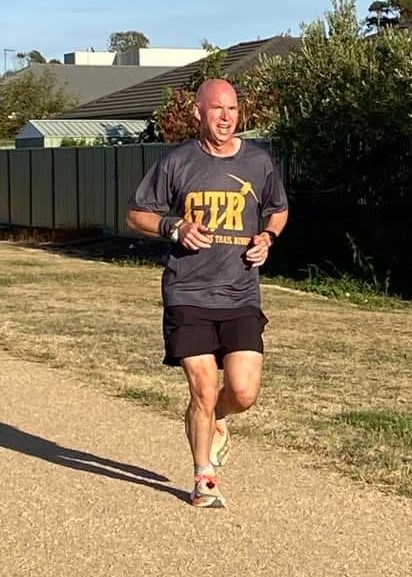
Dominique de Rooij (Dom)
Advanced Running Coach certified by Athletics Australia with 20 years of writing about running and over a decade coaching runners — from first-timers to marathoners. Dom's beginner programs have guided thousands of runners and been praised above plans from Jeff Galloway, Hal Higdon, and Runner's World. Now over 50, Dom still loves trail running, parkrun, and the coffee after.
Free weekly coaching • Join 3,500+ runners
Train Smarter, Not Just Harder
Get your free guide when you join the BRT Coaching Letter
No spam, ever. Unsubscribe in one click, any time.
What's New?
-
Cut 90 Seconds Off Your 1.5 Mile Run for the Army Test
Cutting 90 seconds off a 1.5 mile run in 3-4 weeks for the Army test: Dom breaks down realistic pacing to reduce 10:32 toward sub-9:00 for Paras selection. -
Improve Your 1.5 Mile Running Time to 10:30: Shin Splints
From 12:59 to 10:30 for 1.5 miles: Coach Dom's shin-splint fix and training plan to improve your running time in 2-3 months. -
Training for a 1.5 Mile Run - How to Qualify For Your Test
Coach Dom's 3-step plan for 1.5 mile run training: build aerobic base, add strides, then tempo and pace work to hit your test time.