The Importance of Marathon Training Nutrition - Why Marathon Diet is The Hidden Secret to Marathon Success
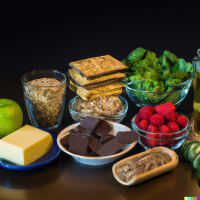
Why? Because marathon diet is so important that I'd like to call it the hidden secret for marathon success.
When we are training for a marathon, we should eat many more calories than non-endurance athletes or non-runners.
And your marathon training diet should focus on (mostly) healthy foods with a good mix of carbs, protein and fats.
We'll get into the details of this below, but don't just skip this page thinking, oh, I have heard it all before. Really, nutrition is pretty important to a successful marathon training program.
Marathon Training Nutrition Tip #1: Don't Ignore Your Carbohydrates
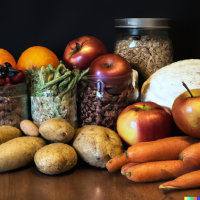
We tap into this glycogen for fuel and energy-replenishment..
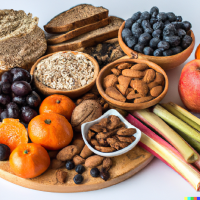
Though carbohydrates are in many foods, you should concentrate on eating mainly whole grains, fruits, vegetables, and low-fat dairy products to receive the most nutritious carbohydrates.
You can determine the recommended amount of carbs in grams by multiplying your weight in pounds by 3.2, or your weight in kilograms by 7.
The resulting amount will yield the total amount in grams of carbohydrates you should eat each day.
This makes it all very complicated though. I would not recommend that you go into painstaking detail to try and match those exact measurements. But do keep in mind that for great marathon nutrition you'll need plenty of whole grains, fruit, vegetables and low-fat dairy products. Each day, every day.
Marathon Training Nutrition Tip #2: Protein for Muscle Repair
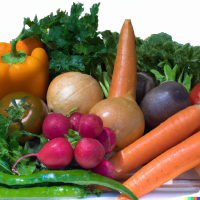
It is especially important during marathon training and other high-exertion activities that cause muscular "wear and tear".
You should try to make sure to include protein in every meal.
Good protein sources include lean meat, fish, eggs, poultry, and low-fat dairy products. Tofu, nuts, and dried beans work as well.
To obtain your daily protein intake, you multiply your weight in pounds by 0.6 or your weight in kilograms by 1.3 to yield the number of protein grams to be eaten each day. You should try to get that much protein into about 3-5 servings per day.
Marathon Training Nutrition Tip #3: Eat the "Good" Fat, Avoid the "Bad" Fat
To round out your daily marathon training diet, you should also eat a small amount of "good" fat.
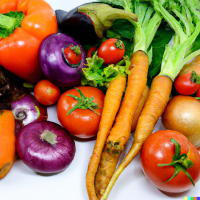
So.... in summary.... the above three marathon diet tips simply summarise what is a healthy diet.
I have probably not told you anything new here, but we have to start with the basics.
You can accomplish healthy marathon nutrition by simply staying away from products high in sugar, deep-fried foods and non-natural foods including many frozen foods.
This is not incredibly hard. You know what is healthy and what is not!
A good way to accomplish a healthier marathon training diet is to follow some basic rules:
Generally, the gradual small changes are more effective than a complete overhaul in one big go. Just my opinion.


Marathon Training Nutrition Tip #4: What About Supplements?
Now, I am not a huge fan of supplements.
Unless they work... Then I really love them....
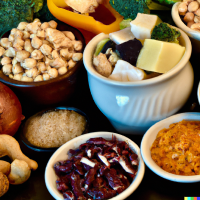
However training for a marathon, is not "normal daily life". In fact, it’s a lot of hard work!
You will be more tired during the period you are training for your marathon. Guaranteed.
This can partly be "fixed" by more sleep. And sleep should be an absolute priority for you. But nowadays, it is hard for almost everyone to get enough sleep. Work, children, career, etc, it can all get in the way of getting sufficient rest and sometimes even of being able to eat healthy.
So, what supplements are useful? I am not a doctor. Let's make that qualification first and foremost. But I have had good experience with magnesium to alleviate stress and muscle pains.
Other supplements should really be up to your bloodtest results. I am a regular taker of vitamin D. My doctor found my Vitamin D levels to be a little low in winter. Eventhough I live in Australia, the area I am in, Victoria, does get cold and wet during winter and has a distinct lack of bright sunny days. So, vitamin D is a priority for me. In winter only.
To get clarity for yourself, it is worth considering going through the process of getting some detailed bloodwork done. Marathon training is incredibly hard work and I think when you are putting your body through that amount of stress every little bit helps.
And I have seen massive transformations in people that had certain deficiencies, e.g. iron deficiency. My wife has had a history with low iron and after a recent iron injection she felt an almost instant and very significant change in energy levels. So, get your bloodwork done and make sure you are on the right track.
Marathon Training Nutrition Tip #5: Diet / Weight Loss a No-No
I'd be really careful in trying to combine a low-calorie marathon diet with marathon training. When doing all those miles and miles of running, you need to supply your body with fuel.
Focus on healthy eating, not dieting!
Try to starve yourself and you'll run out of fuel. It might help you lose weight, but the consequences are that you'll end up very, very low in energy, you'll be more likely to skip workouts, you'll get grumpier and grumpier, you may get sick, etc.
When you are training for a marathon and running all those training miles, you need to fuel your body.
It is likely, that you will lose a bit of weight over the course of a marathon journey. But it should not be your goal when doing marathon training. You should not deprive your body of fuel. Make sure you eat healthily and make sure you eat enough so you can sustain your training.
Marathon Training Nutrition Tip #6: Eat Directly After a Workout
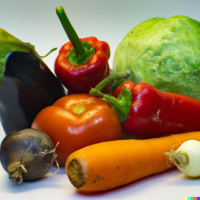
Choose a snack or meal that is both high in carbs and protein. Some of the diet drinks are fairly popular as they offer a quick way to take in energy at a pretty good carb/protein ratio.
But I prefer natural choices for my marathon nutrition. E.g something like a sandwich with lean meat/salmon with some green leaves, tomato and cucumber. Or some noodles with tofu and some stir-fried vegetables. Incredibly quick to prepare and healthy as! They are the smart components of your marathon training diet.
Another thing to consider is having an extra, healthy(!), snack at night. When you sleep you are going to go through an extended period in which you deprive your body of nutrition. And when you are in the depths of marathon training your body can do with a bit of extra nurture and care.
I generally eat three meals a day and three snacks (mid-morning, mid-afternoon and sometime after dinner) when I am doing higher mileage training. The combination of running and strength training really requires regular fuelling, otherwise I get hungry and very low on energy.
Marathon Training Nutrition Tip #7: Practice Running and Eating and Drinking
During the marathon you'll likely be eating, drinking and running all at the same time. And it is not as easy as it seems! So practice it during training.
Lots of us rely on energy gels and sportsdrinks as their marathon diet on race day. A good energy gel can do wonders. You need it to be not too gooey though, so make sure you test them during training. The taste is a real big thing for me. There are certain ones I really like and some I just really hate. There's this salted caramel one and a vanilla one I love, but then a coffee flavoured one is terrible for me. Whereas I love coffee. So, it's really a case of some trial and error. Work out which ones you like.
Some of us like more natural alternatives, e.g. banana, dates, sultanas/raisins, trail mix, etc. I find it a bit hard to deal with crunchy, chewy things while I run, so I generally stick to gels and chews.

Gotta drink plenty of water, before, after and during workouts!
I take a hydration pack with me on long runs. It allows me to carry some little water bottles and also has pouches in which you can put gels, trail mix etc.
While running (note, this does take a bit of practice!), you can then open the pouch, grab a gel, take it in and wash it away with water.
One tip is to take in a gel pretty slowly. I happily take half a mile or more to take in a gel. It just stops you from having your mouth full of the gooey substance and I have a feeling it is easier to digest that way as well.
It's really best if you try to eat at regular intervals and start eating early into a run. E.g. something like every 30 minutes or so. In the beginning you won't be hungry, but when you are feeling hungry, it is too late.
It takes 30-60 minutes for the food to get your blood, so you'll need to eat before you think you need it.
Same with water. Start drinking from the beginning. Little sips at a time every 15-30 minutes works.
I really prefer to eat and drink based on the clock (i.e. pick a regular interval and just drink/eat then no matter how I am feeling), rather than wait until my body needs it.
Marathon Training Nutrition Tip #8: Carb Loading
One practice you may have heard about already is "carb loading" or "carbo loading". What this basically means is that you add extra carbohydrates to your marathon diet in the days before your marathon. This fills up the muscles with extra glycogen.
The goal is that when you run your marathon your muscles will have top levels of glycogen in them (this will keep you going for longer).
Now, one common misconception with carbo loading is that you first need to deprive yourself of carbs. The original practice of a few decades ago was that elite marathon runners would go out on these long runs about 7-10 days out of the big race.
After doing that for 3-4 days, they would then start feeding their bodies lots of carbs.
It was believed that this was optimal marathon nutrition. This was the way to get the highest levels of glycogen in your muscles just before your race.
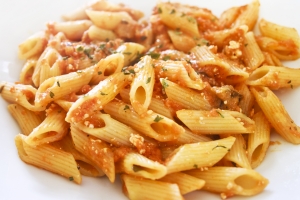
This is simply not true! Later, with more advanced research and technology available, it was found that you absolutely don't need to deprive yourself of carbs. Just fill up extra in the 2-3 days before a race. That's why pasta is such a favorite with marathon runners and all the big marathons now have a pasta party the night before.
Marathon Training Nutrition Tip #9: Don't Attend the Pasta Party (or the Expo)
This may come as a little bit of a surprise. We just talked about carbo loading and the popularity of the pasta party, now I am telling you to not go to the pasta party.
The reason for this is not on a nutritional basis. Pasta the night before a marathon is a sound choice. But, if you can avoid it, don't go to the pasta party.
Most big marathons have a marathon expo that provides you with all kinds of goodies and discounts on running items. Skip that one as well.
It's really best to not spend too much time on your feet the day(s) before the marathon.
Or go to bed too late.
Pasta parties are often great get-togethers.
But when they are poorly organized or just very busy it can mean that you'll stand in line for a long time waiting for your food.
And when you start talking to other runners time will fly and before you'll know it you'll be up too late.
In it for an absolute top marathon performance? Then I'd highly recommend being non-social in the last day(s) before the marathon and making your own pasta party or having a nice pasta meal at a quiet Italian restaurant, relatively early at night and then go to bed early.
A bit of discipline and planning here can make a world of difference!
I also recommend checking out my marathon taper page which features a complete guide on tapering, including the 10 Don'ts of Marathon Tapering.
Marathon Training Nutrition Tip #10: Don't Experiment During the Race
One of the big, big mistakes that people make is to suddenly do something different on race day. I am not sure what it is, but without reason, suddenly, you get this big idea and you throw your complete marathon training diet out of the window.

Then you decide to experiment with another brand of sports drink or a food that somebody else loves.
Don't do it. Don't ignore your marathon training diet and don't experiment with it.
You have trained with a certain sports drink/water and with certain foods or gels. You have tested what works. Don't mess it up on race day with silly experiments.
It could end badly. With that I mean stomach cramps, not being able to hold your food in, etc. I have seen it all. Don't play around.
In conclusion, your marathon training diet really comes down to eating healthily and being smart with your food choices.
Marathon training is tough, so you need to eat well. And you need eat a lot. Fuel your body. Use your training to experiment with the food you use and work out what works.
Once you have found a golden formula, don't play around with it anymore, especially not on race day.
I hope these marathon nutrition tips have helped, so that you are optimally prepared for your big race.


Helpful
Resources
-
Beginner Running Tips
Are you a beginning runner? Then this is your best starting point. Many tips and running programs on offer, dedicated to you.
-
Running for Weight Loss
Aiming to lose a few pounds? Get into the Running for Weight Loss section for tips and advice.
-
Running Training
The Running Training section of the site has got the most articles. It is constantly getting updated with new tips and information. A must-visit if you are serious about improving your running performance.
-
5k Running Tips
The 5k is a great distance to run and train for. The great thing is that you can do it quite often and see big improvements.
-
10k Running Tips
The 10k is a real challenge. You need to run fast for an uncomfortably long time! Check out this section if you are strong of mind and legs!
-
Marathon Running Tips
The marathon is a massive challenge. Proper training is so important! Make sure to check out this section if you have got your mind set on the marathon!